
outdoor recreation

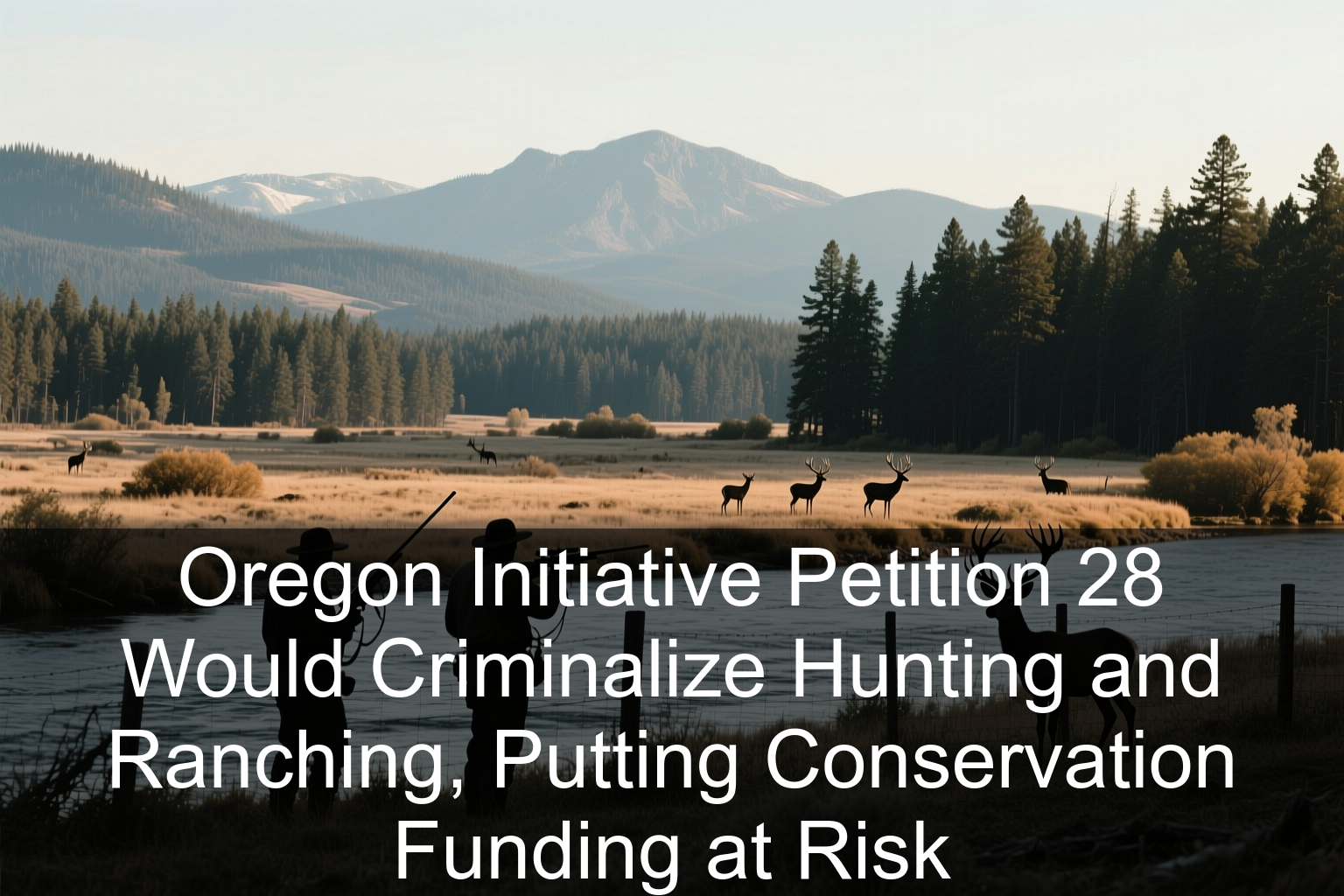
  • Oregon Initiative Petition 28 Would Criminalize Hunting and Ranching, Putting Conservation Funding at Risk

    Oregon Initiative Petition 28 Would Criminalize Hunting and Ranching, Putting Conservation Funding at Risk

    Oregon could see sweeping changes to long-standing outdoor and agricultural practices if a proposed ballot measure advances. The proposal, known as Initiative Petition 28 (IP 28), is described as a plan to dramatically overhaul state law in ways that would upend how Oregonians interact with wildlife, livestock, and natural resources.

    Under the initiative’s approach, activities that have traditionally been legal and widely practiced would be treated as criminal conduct. The measure would make ranching, hunting, fishing, trapping, recreational shooting, and most forms of animal husbandry illegal, redefining everyday rural and sporting life as something subject to prosecution rather than regulation.

    The reach of the proposal would extend beyond private landowners and sportsmen. The scope described for IP 28 would also implicate institutions and communities that rely on animal care and lawful harvesting, including the Oregon Zoo, fishermen, and tribal groups, pulling a wide range of Oregonians into the consequences of a single legal rewrite.

    From a conservative and libertarian perspective, a ballot initiative that turns broad categories of ordinary work and recreation into crimes represents an aggressive expansion of state power into personal choice, property rights, and cultural tradition. Rather than focusing on targeted enforcement against abuse, this kind of blanket criminalization risks treating responsible citizens as offenders while creating uncertainty for communities built around farming, outdoor recreation, and resource-based livelihoods.

    Supporters of hunting and recreational shooting also warn that the stakes go beyond lifestyle and tradition, pointing to potential downstream effects on conservation funding. When policies discourage or eliminate lawful hunting and shooting-related activity, the funding structures connected to those activities can be weakened, raising concerns about how wildlife management and habitat priorities would be supported going forward if established revenue streams are disrupted.
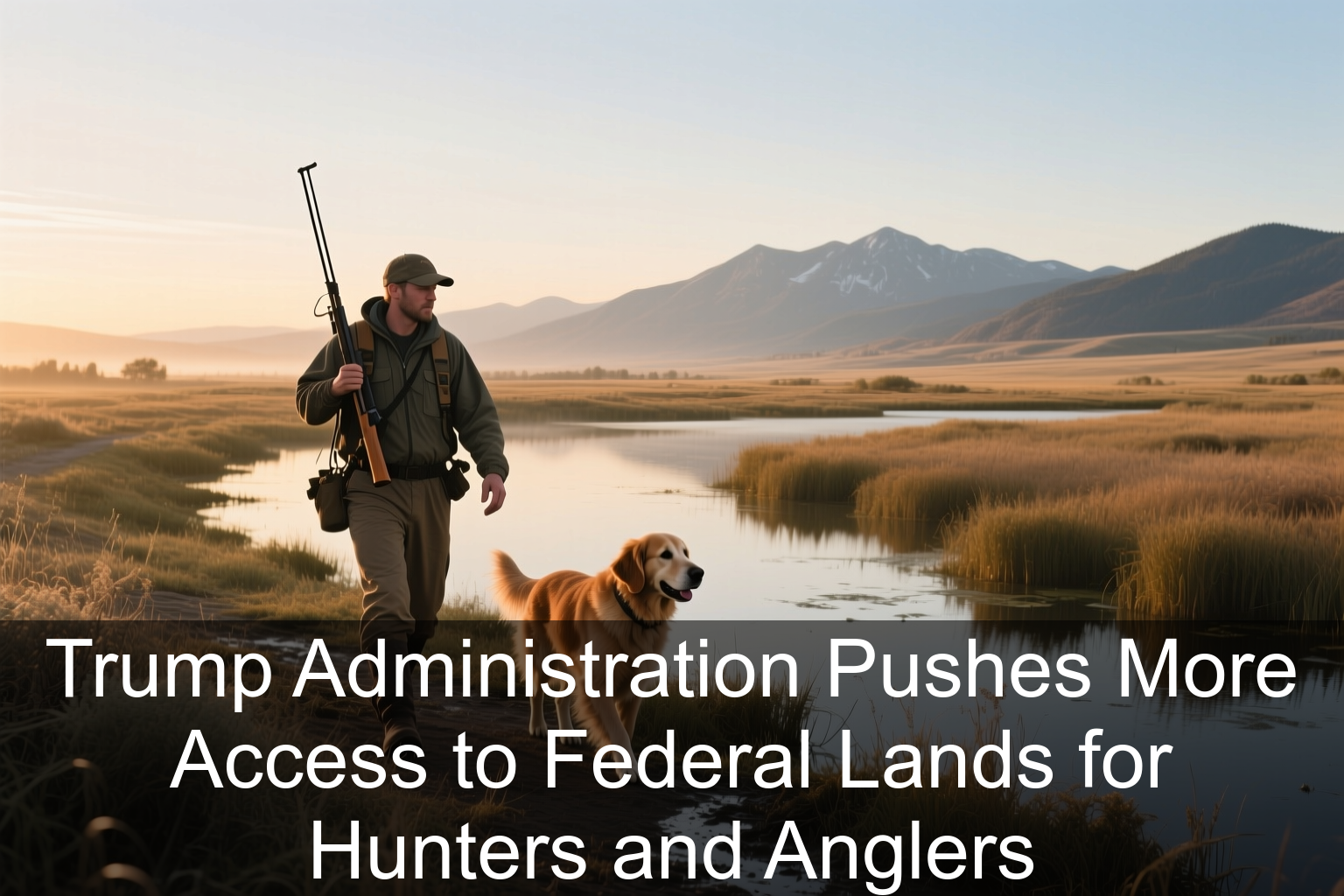
  • Trump Administration Pushes More Access to Federal Lands for Hunters and Anglers

    Trump Administration Pushes More Access to Federal Lands for Hunters and Anglers

    Federal public lands are being emphasized as a resource meant to be used by the people who own them: Americans. The message coming from the Trump administration is that outdoor recreation—especially hunting and fishing—should be easier to pursue, not fenced off by red tape or limited access.

    Supporters of expanded access argue that millions of acres managed by the federal government exist for more than paperwork and policy debates. They point to a renewed focus on making it simpler for outdoorsmen and women to reach places to hunt, fish, and explore, with fewer practical barriers standing between the public and the landscapes held in trust for them.

    For hunters, that emphasis translates into planning and participation. The idea being promoted is straightforward: schedule that long-considered hunting trip, and don’t limit the season to familiar ground. With public lands highlighted as more reachable, sportsmen are encouraged to look beyond their usual spots when mapping out the year.

    Waterfowl hunters, in particular, are urged to start preparing early and consider different destinations for the fall duck season. Rather than returning automatically to the same marsh or refuge each year, the push is to scout additional options and identify new places to go afield.

    Underlying the broader initiative is a public-ownership principle often embraced by conservatives and libertarians alike: land held by the federal government is not the property of bureaucracies, but of the citizens. The administration’s approach is framed as an invitation to reclaim that practical reality by getting outside, using public ground, and keeping America’s outdoor traditions active and accessible.